Buying a home in today’s market can feel challenging, especially when mortgage interest rates remain high. Many buyers are looking for ways to reduce monthly housing costs without delaying homeownership. One financing option gaining attention is the rate buydown strategy.
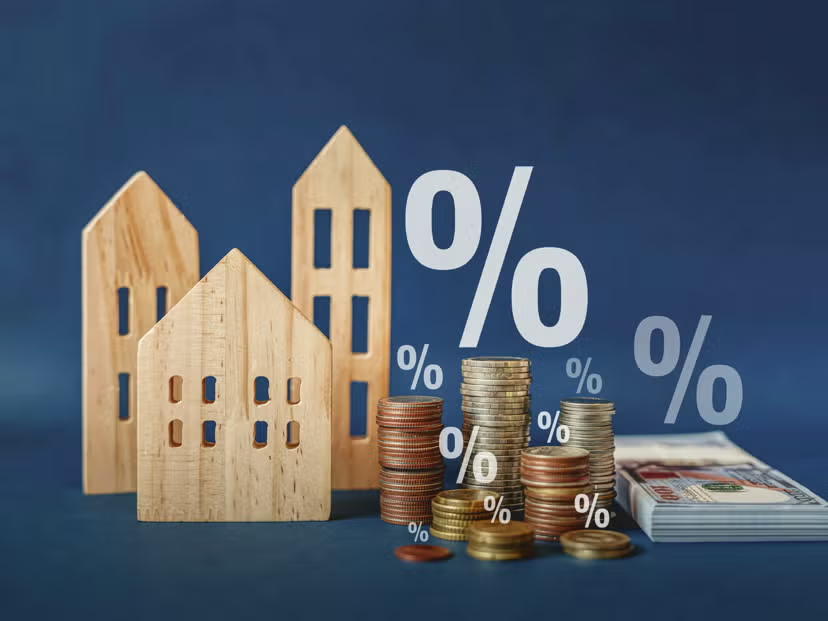
A rate buydown allows buyers to temporarily or permanently lower their mortgage interest rate, helping reduce monthly payments during the early years of the loan or throughout the loan term. For many families, this approach creates flexibility and makes homeownership more affordable.
However, before choosing a rate buydown, buyers should fully understand how it works, who pays for it, and whether it truly provides long-term value. In this article, we will explore the most important details every homebuyer should know before making a decision.
What Is a Rate Buydown?
A rate buydown is a financing arrangement where money is paid upfront to reduce the mortgage interest rate. This can be done temporarily or permanently depending on the loan structure.
Temporary options lower payments during the first few years, while permanent options reduce the interest rate for the entire loan term.
The goal of a rate buydown is simple: make homeownership more manageable by lowering monthly mortgage costs.
1. There Are Different Types of Rate Buydowns
Not every rate buydown works the same way. Buyers should understand the difference between temporary and permanent options before choosing one.
Temporary Buydowns
These reduce interest rates for the first few years of the mortgage.
Common examples include:
| Buydown Type | Year 1 Reduction | Year 2 Reduction |
|---|---|---|
| 2-1 Buydown | 2% Lower | 1% Lower |
| 3-2-1 Buydown | 3% Lower | 2% Lower |
Permanent Buydowns
These involve paying points upfront to lower the interest rate permanently throughout the loan.
Choosing the right rate buydown depends on your financial plans and how long you intend to stay in the home.
2. Lower Monthly Payments Can Improve Affordability
One major benefit of a rate buydown is lower monthly payments. This can make a significant difference for buyers trying to manage rising living expenses.
For example:
| Loan Amount | Standard Payment | Reduced Payment |
|---|---|---|
| $300,000 | $2,150 | $1,780 |
| $450,000 | $3,100 | $2,550 |
| $600,000 | $4,050 | $3,350 |
A rate buydown can create extra room in a household budget, especially during the first few years after purchasing a home.
3. Sellers Often Pay for the Buydown
In many cases, sellers contribute toward a rate buydown as part of negotiations. Instead of lowering the home price directly, sellers may offer financing incentives to attract buyers.
This approach benefits both parties:
- Buyers receive lower monthly payments
- Sellers maintain stronger listing prices
- Homes may sell faster in slower markets
Because affordability has become a major concern, seller-funded rate buydown programs are becoming more common.
4. Builders Frequently Offer Buydown Incentives
Home builders also use rate buydown offers to encourage sales. New construction properties often include financing promotions that reduce early mortgage costs.
Builders prefer these incentives because they help maintain neighborhood pricing instead of publicly lowering home values.
For buyers considering new homes, a builder-sponsored rate buydown may provide valuable savings during the early years of ownership.
5. Rate Buydowns Are Not Free
Although a rate buydown lowers monthly payments, someone still pays the upfront cost. This expense may come from:
- The buyer
- The seller
- The builder
- The lender
The cost is usually placed into an escrow account that covers the difference between the reduced payment and the standard payment.
Understanding the total financial impact of a rate buydown is important before agreeing to any mortgage terms.
6. Buyers Should Plan for Future Payment Increases
Temporary programs eventually expire. Once the reduced-rate period ends, monthly payments increase to the original loan amount.
This is one of the most important things buyers must understand about a rate buydown. Lower payments today do not last forever.
Before choosing this option, homeowners should ask themselves:
- Will future income increase?
- Can the household handle larger payments later?
- Are emergency savings available?
A successful rate buydown strategy requires realistic long-term planning.
7. Rate Buydowns Can Help During High-Rate Markets
When mortgage rates rise quickly, affordability becomes difficult for many buyers. A rate buydown helps bridge that gap by reducing early financial pressure.
This strategy became especially popular during periods of economic uncertainty and rising interest rates. Buyers who could not comfortably afford standard payments often used a rate buydown to enter the market sooner.
In some cases, buyers later refinance if market rates improve.
8. Permanent Buydowns May Save More Long-Term
Some buyers prefer paying upfront discount points to permanently lower interest rates. Unlike temporary options, this type of rate buydown creates savings throughout the life of the loan.
Here is a basic comparison:
| Buydown Option | Monthly Savings | Long-Term Benefit |
|---|---|---|
| Temporary Buydown | Short-Term Relief | Early Payment Flexibility |
| Permanent Buydown | Ongoing Savings | Lower Lifetime Interest |
A permanent rate buydown may work well for buyers planning to stay in the home for many years.
9. Comparing Loan Offers Is Extremely Important
Not every lender structures a rate buydown the same way. Fees, terms, and eligibility requirements can vary significantly.
Before signing a mortgage agreement, buyers should compare:
- Interest rates
- Loan terms
- Closing costs
- Future payment amounts
- Buydown duration
Careful comparison helps buyers avoid unnecessary costs and choose the best rate buydown option for their situation.
Advantages of Rate Buydowns
A rate buydown can provide several important advantages for homebuyers.
Lower Initial Payments
Reduced monthly costs help improve short-term affordability.
Easier Transition Into Homeownership
Buyers gain time to adjust to moving expenses and household costs.
Increased Buying Power
Some buyers may qualify for homes that previously felt out of reach.
Flexibility During Economic Uncertainty
Temporary relief can help during periods of high inflation or rising interest rates.
Potential Refinancing Opportunities
If rates decrease later, buyers may refinance into better long-term loans.
Potential Risks Buyers Should Understand
Although a rate buydown can offer valuable benefits, there are risks to consider.
Payment Shock
Monthly obligations increase after temporary discounts expire.
Upfront Costs
Someone must pay the initial cost of reducing the rate.
Market Changes
Future interest rate movements may affect refinancing opportunities.
Overextending Finances
Buyers should avoid purchasing homes that become unaffordable later.
Understanding both the benefits and risks allows buyers to make smarter financial decisions about a rate buydown program.
Is a Rate Buydown Right for You?
Choosing a rate buydown depends on personal financial goals and future plans. Some buyers benefit greatly from lower early payments, while others may prefer stable fixed payments from the beginning.
A rate buydown may be a good option if:
- You expect income growth
- You plan to refinance later
- You need temporary payment flexibility
- A seller or builder is covering the cost
However, buyers should always ensure they can comfortably afford future payments before committing to any mortgage structure.
Final Thoughts
The housing market continues changing, and buyers are searching for creative ways to improve affordability. A midlothianhomeloans.com has become one of the most popular financing tools for reducing early mortgage costs while helping buyers enter competitive markets.
Whether temporary or permanent, the right rate buydown can create meaningful savings and provide financial flexibility during the first years of homeownership. Still, careful planning is essential.
By understanding how a rate buydown works, comparing lender offers, and preparing for future payment changes, buyers can make informed decisions that support long-term financial stability.
FAQs
What is a rate buydown?
A rate buydown is a mortgage financing option that lowers the interest rate temporarily or permanently.
Who pays for a rate buydown?
The cost may be paid by the buyer, seller, builder, or lender depending on the agreement.
Are rate buydowns worth it?
They can be valuable for buyers needing lower monthly payments during the early years of homeownership.
Do payments increase later?
Temporary programs increase payments after the reduced-rate period ends.
Can I refinance after using a rate buydown?
Yes. Many buyers refinance later if market interest rates improve.